Our Heritage
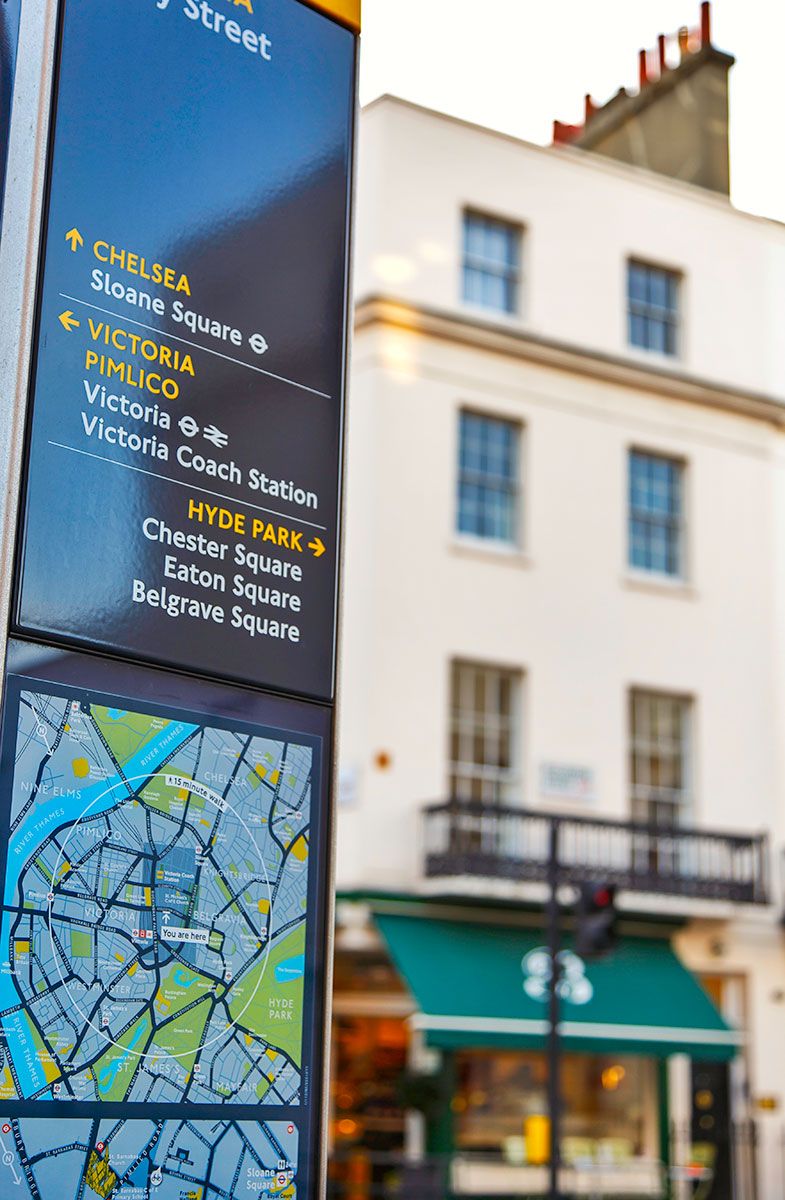
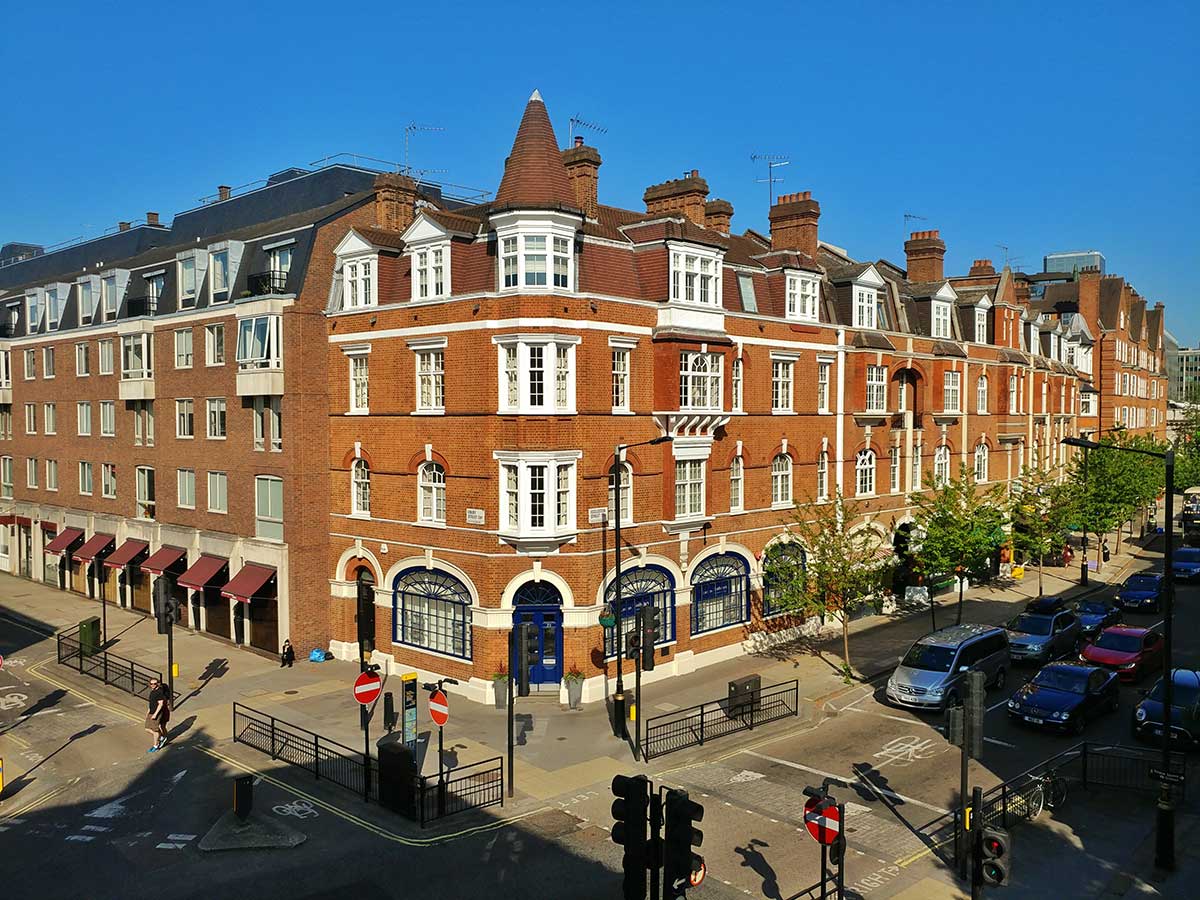
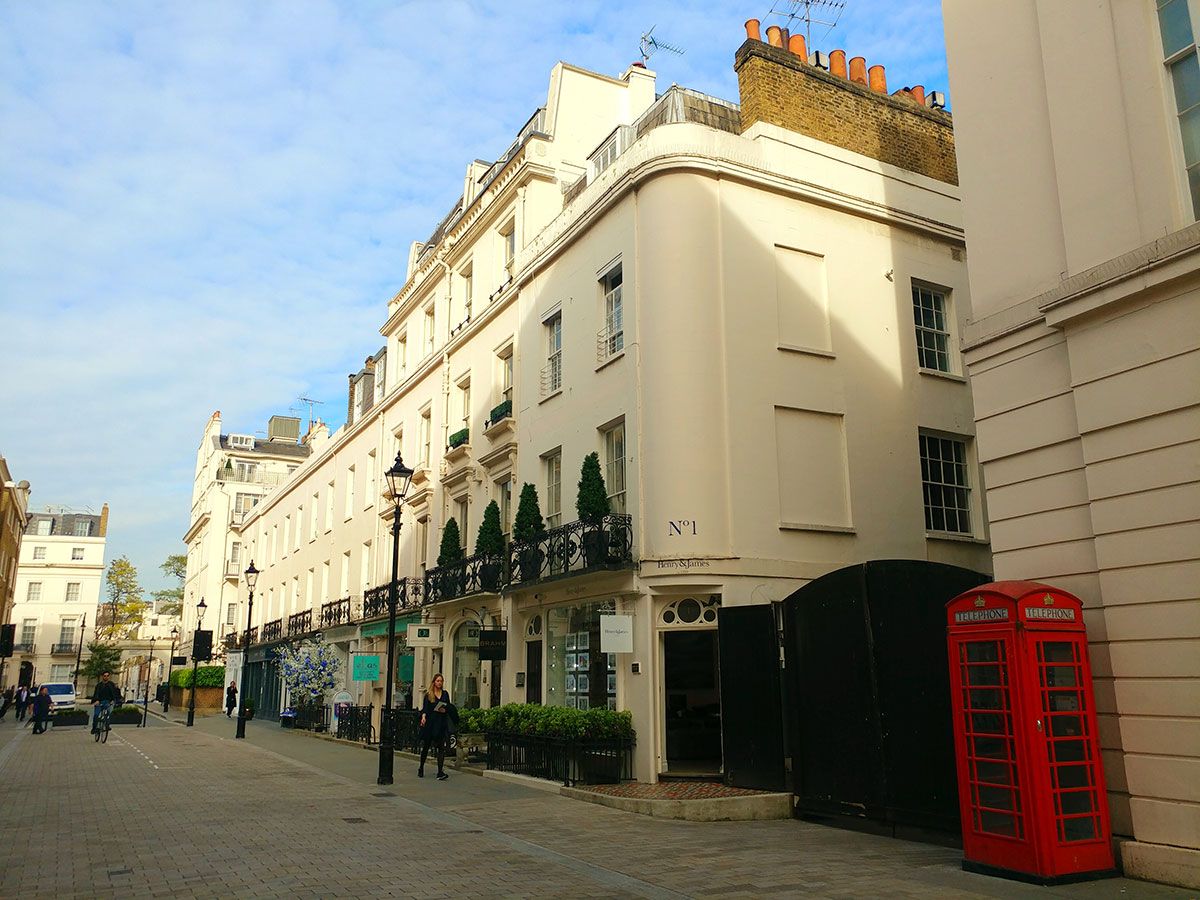
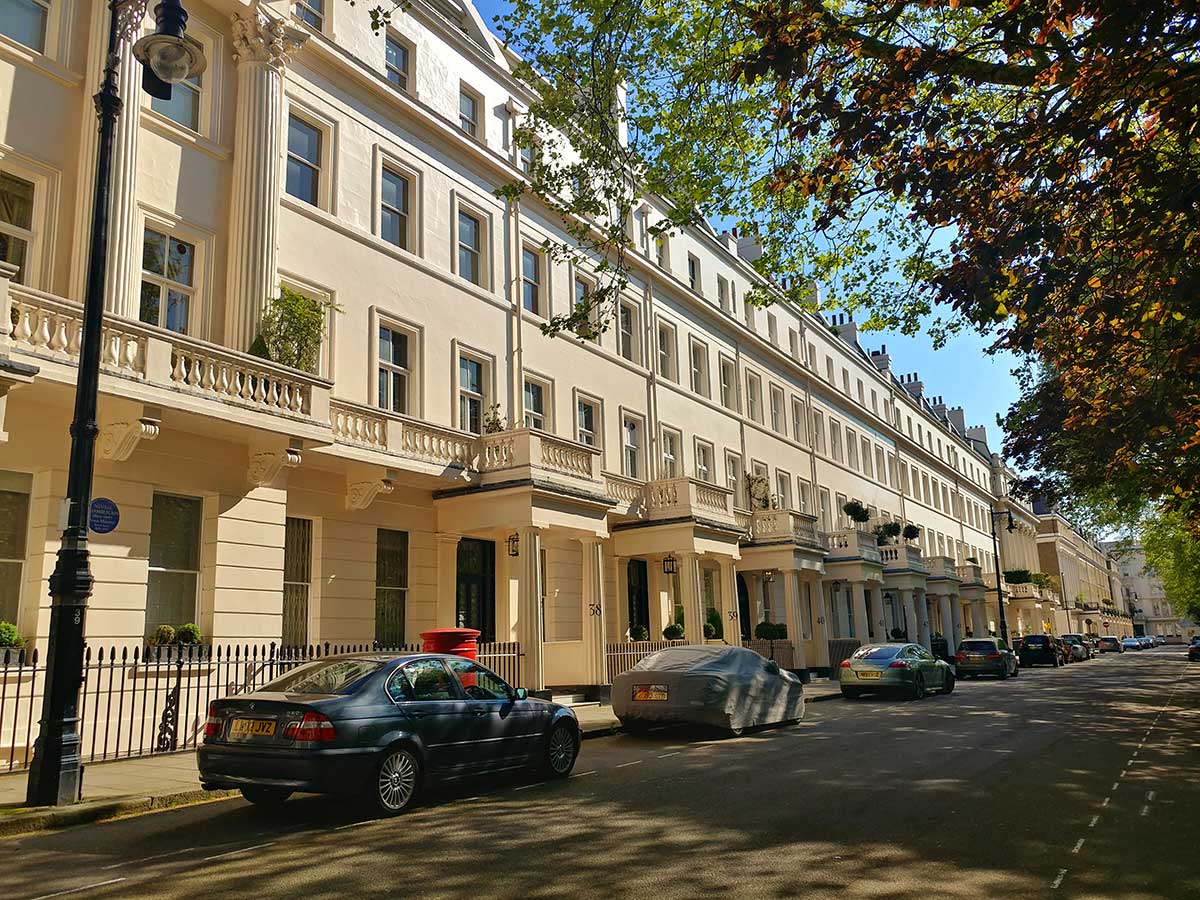
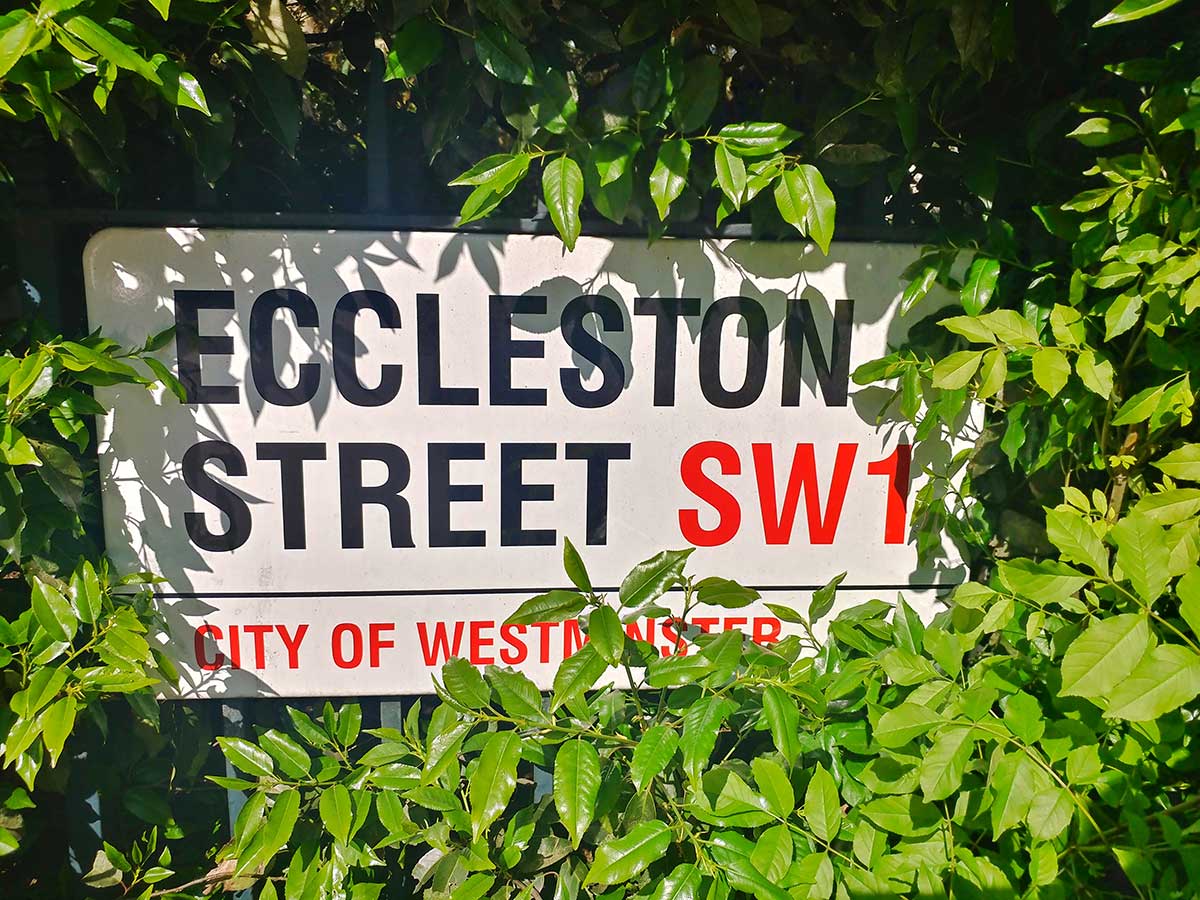
Over 100 years delivering medical excellence in 25A Eccleston Street, Belgravia, London.
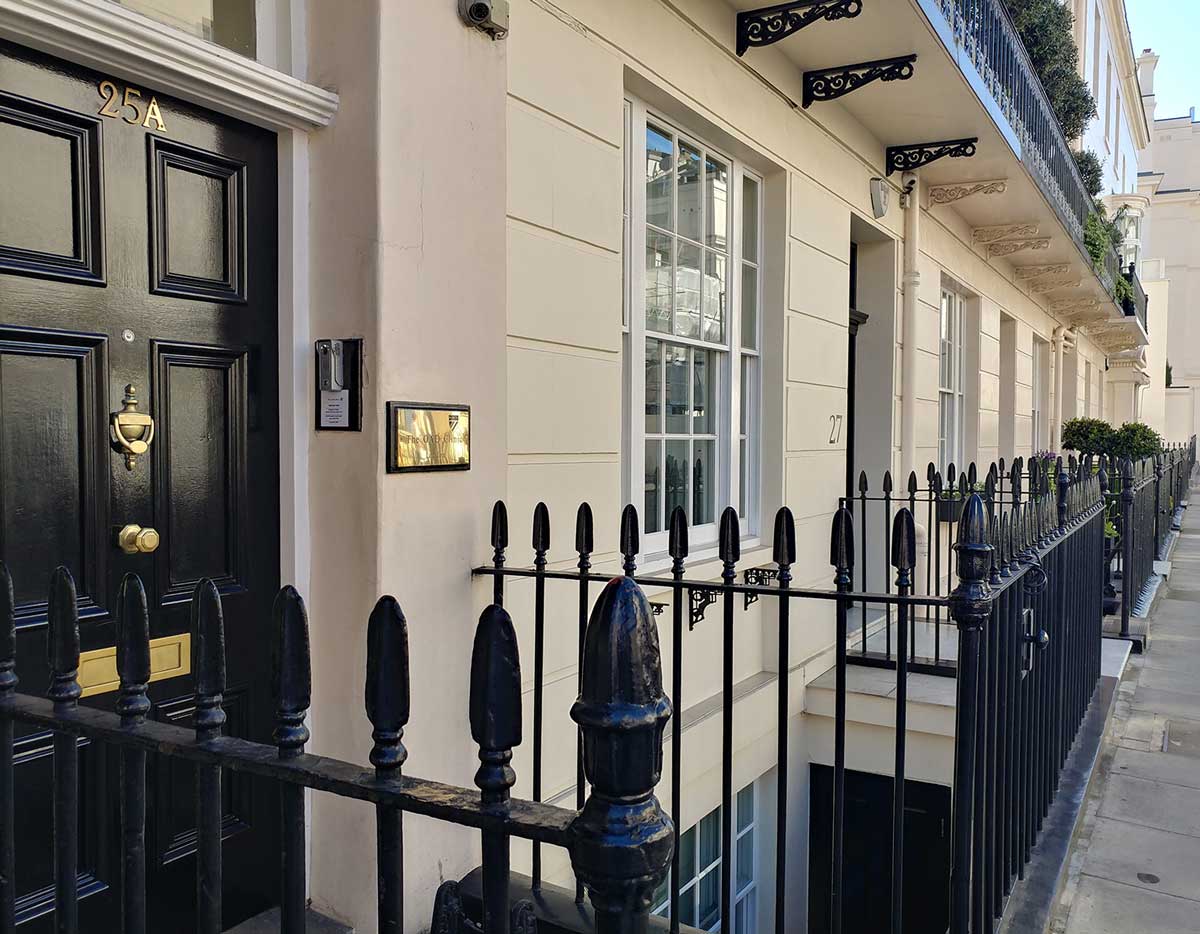
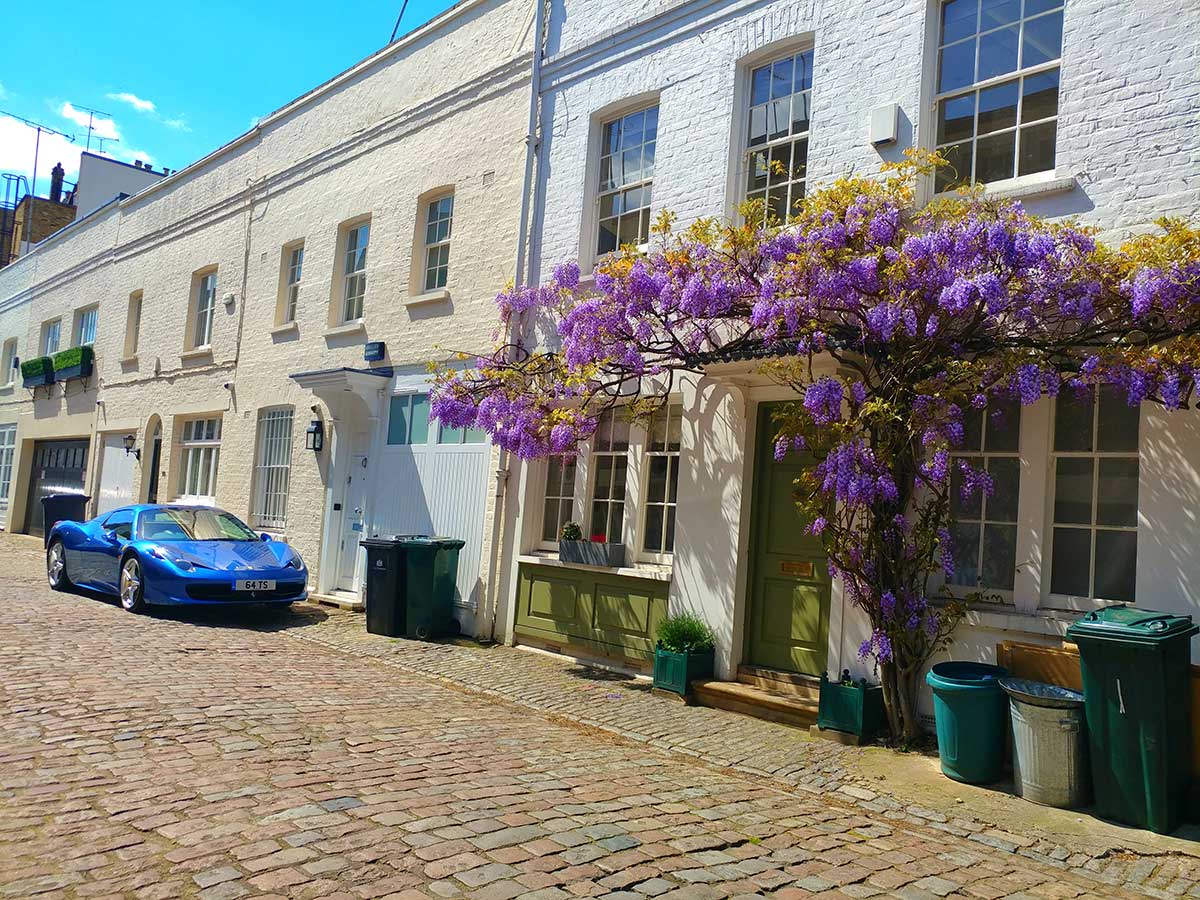
The OAD Clinic We are in an historical building in Belgravia, where medical care has been provided for over 100 years. Belgravia is an affluent district in West London, shared within the authorities of both the City of Westminster and the Royal Borough of Kensington and Chelsea. Belgravia is noted for its very expensive residential properties: it’s one of the wealthiest boroughs in the world.
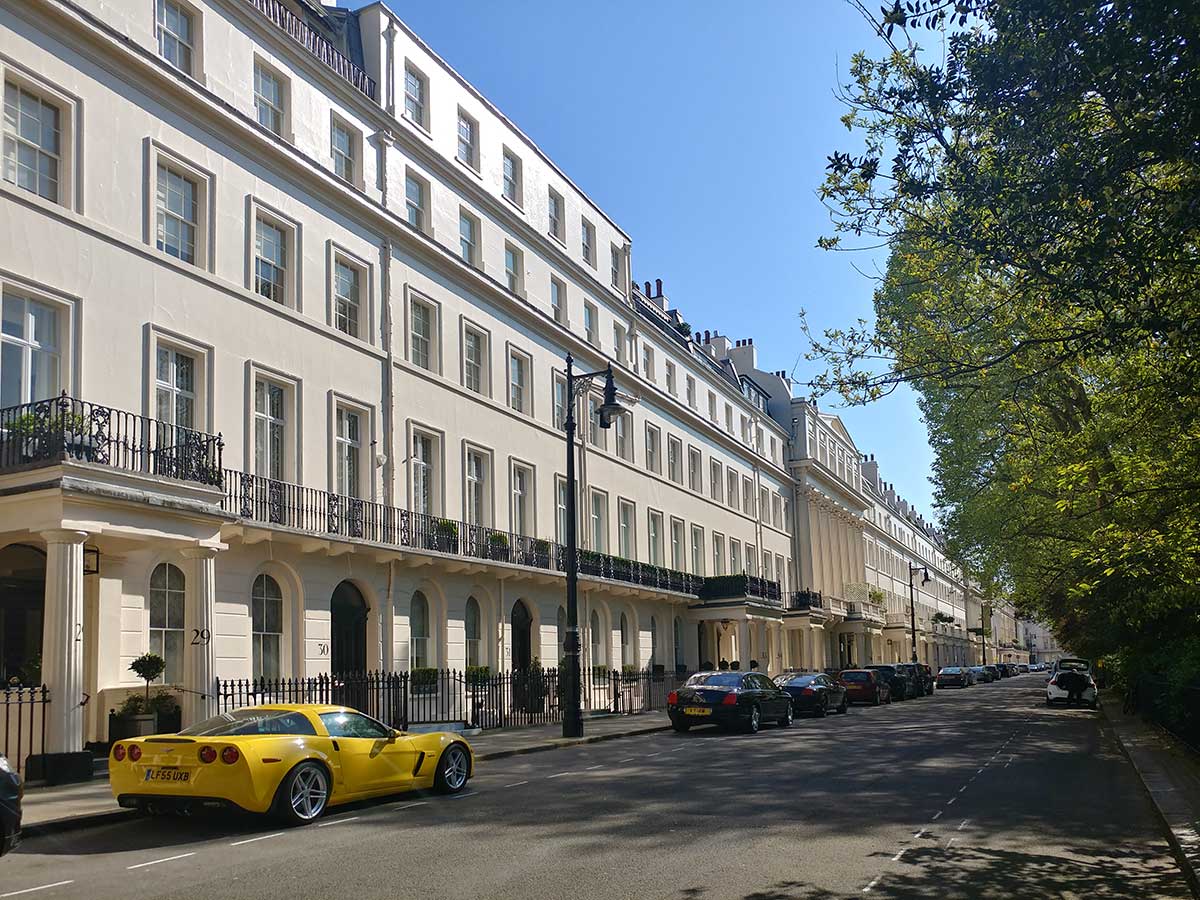
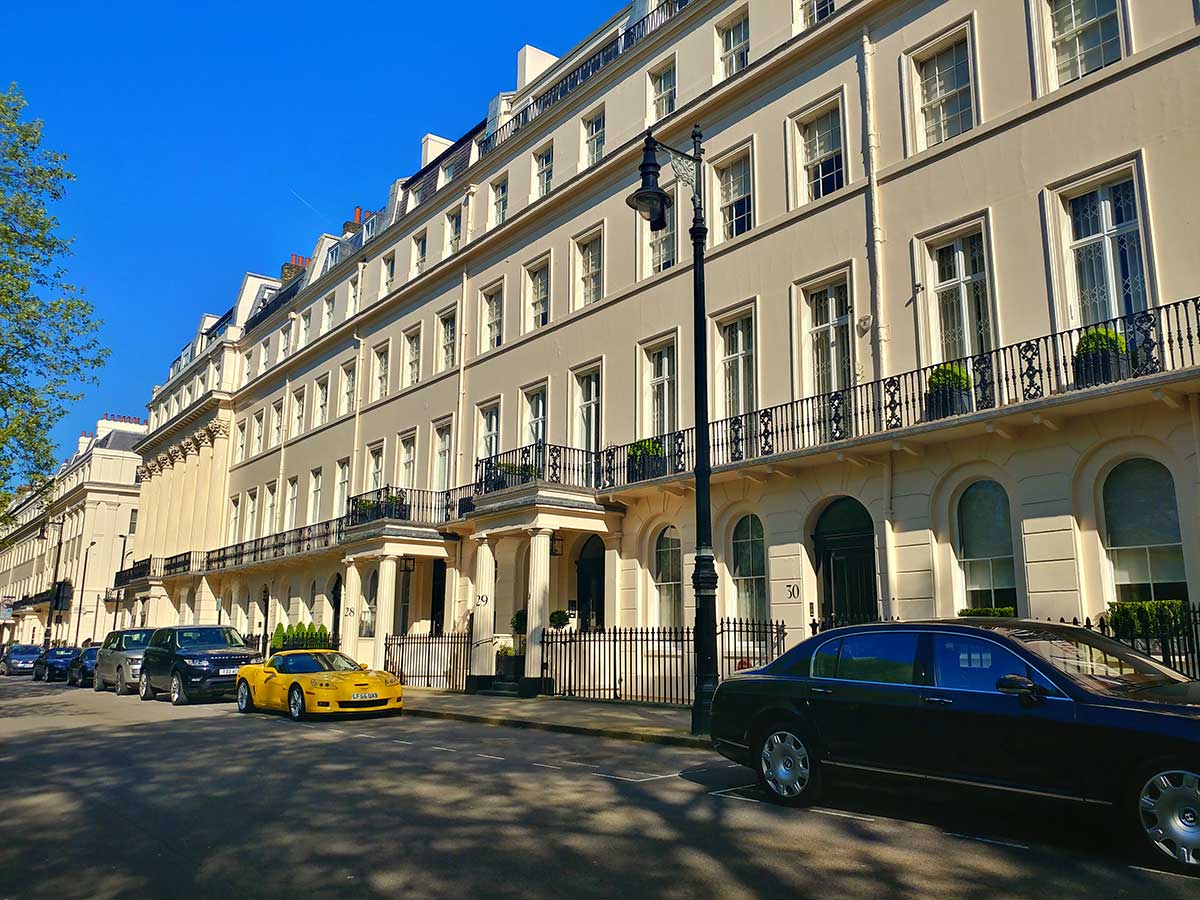
Eaton Square It was developed in the early 19th century by Richard Grosvenor, 2nd Marquess of Westminster under the direction of Thomas Cubitt, focusing on numerous grand terraces centred on Belgrave Square and Eaton Square. Much of Belgravia, known as the Grosvenor Estate, is still owned by a family property company, the Duke of Westminster's Grosvenor Group.
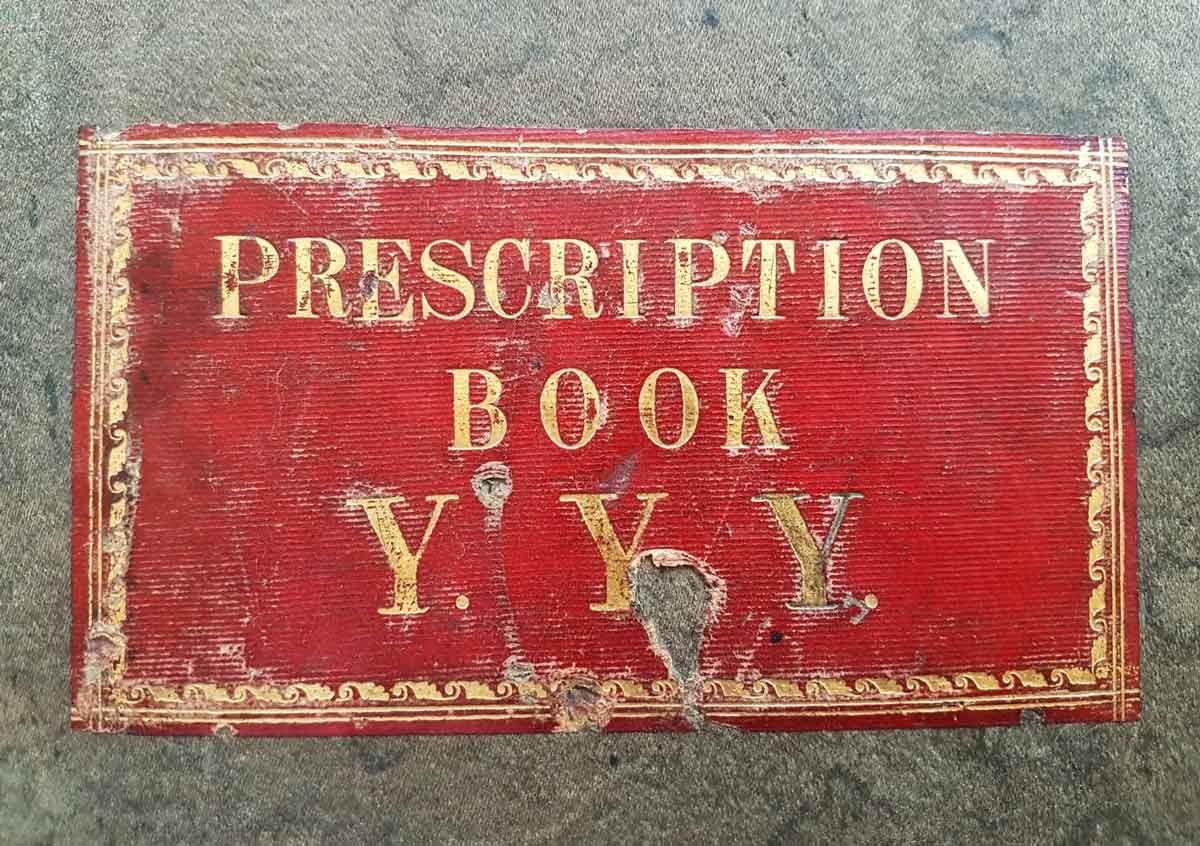
Prescription Books 1918 - 1922 Our prescription books document what life and medicine were in the early XX century.
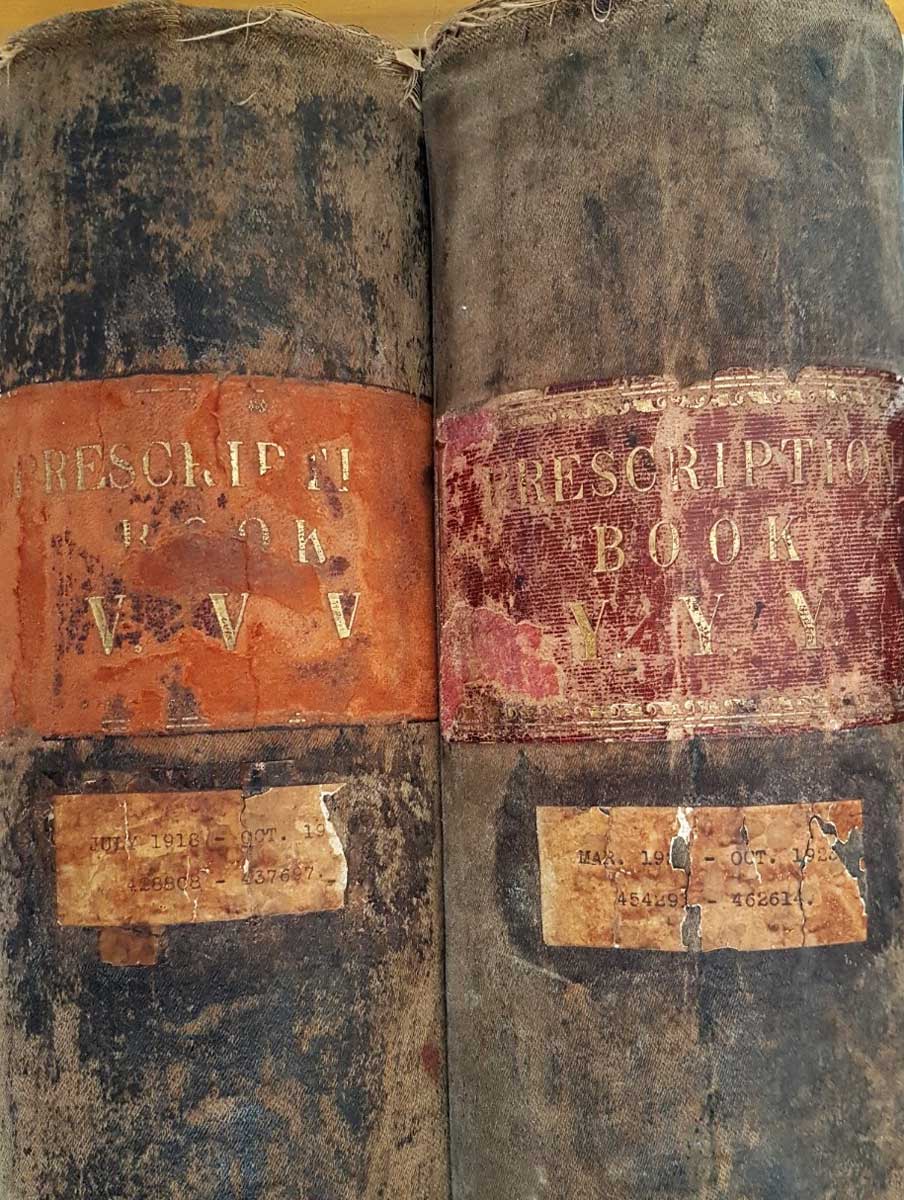
Prescription Books 1918 - 1922 As the Great War was ending, a threat emerged that was even more lethal than the fighting that had brutally cut down so many young men. Our prescription books are a window to the past, showing the people and the doctors dealing with the major health issues of their time.
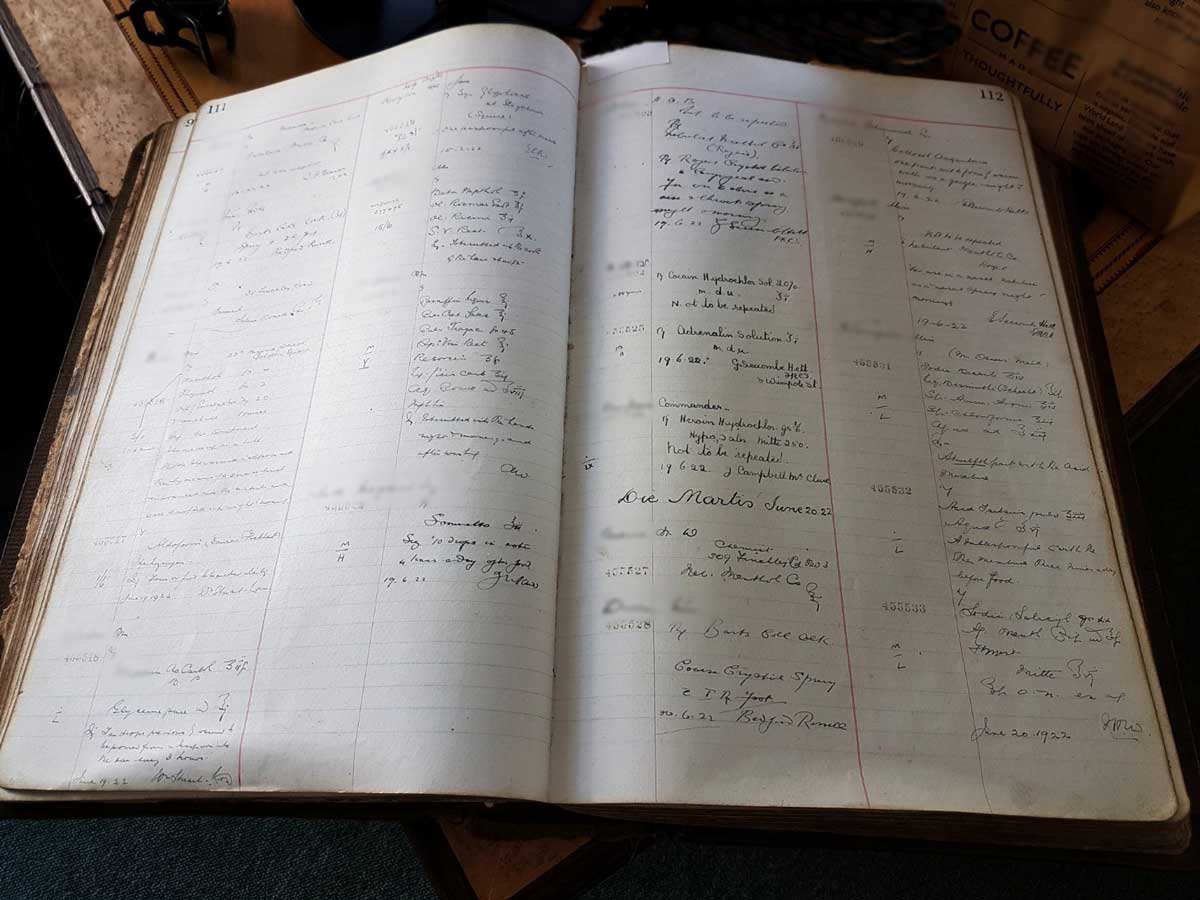
Prescription Books 1918 - 1922 Forty million people had lost their lives. The death rate was 25 times higher than in a normal flu epidemic (2.5 per cent compared with 0.1 per cent). Will the addiction pandemic be as bad?
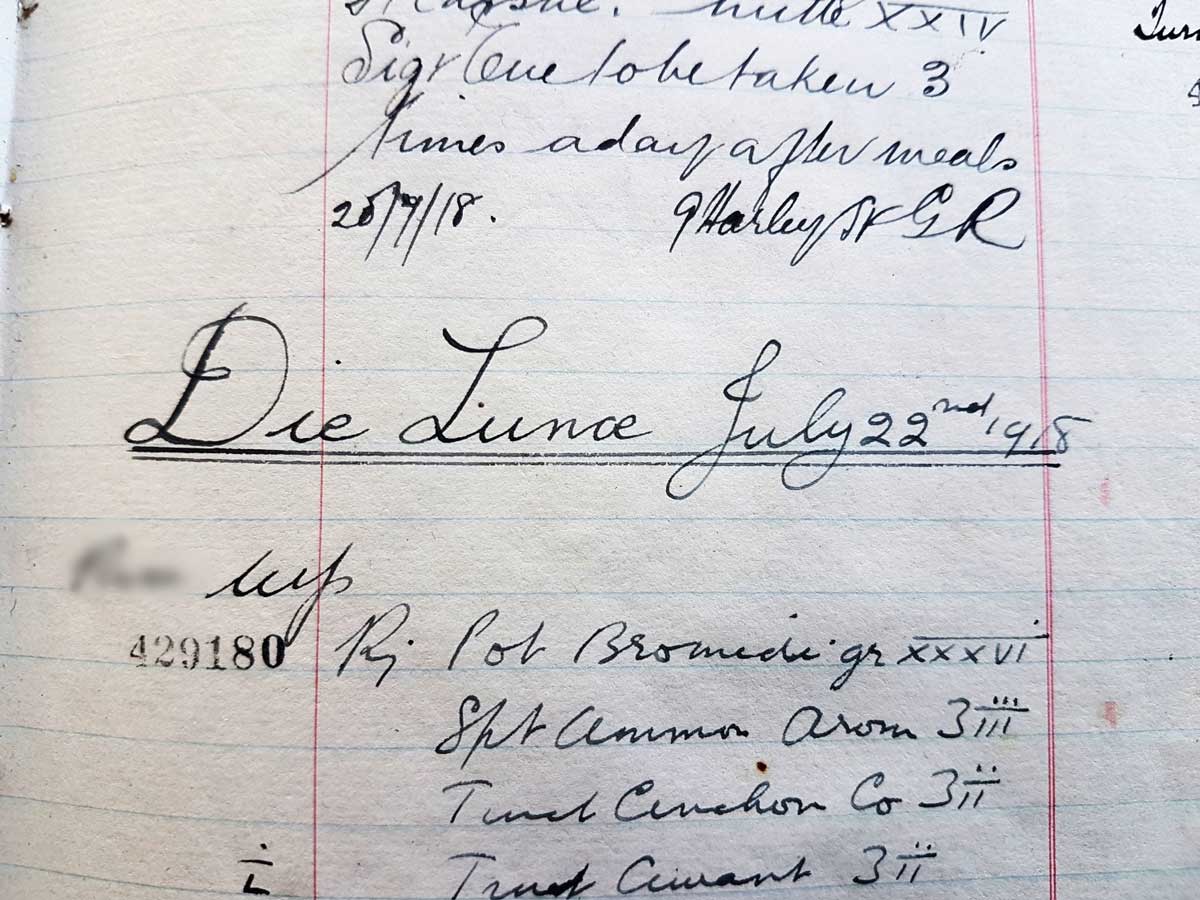
Die Lunae July 22nd 1918 In the spring of 1918, the disease emerged in pockets across the globe and at first seemed as benign as the common cold. Soldiers in the trenches in France became ill with what was known as la grippe. They complained of sore throats, headaches and a loss of appetite.
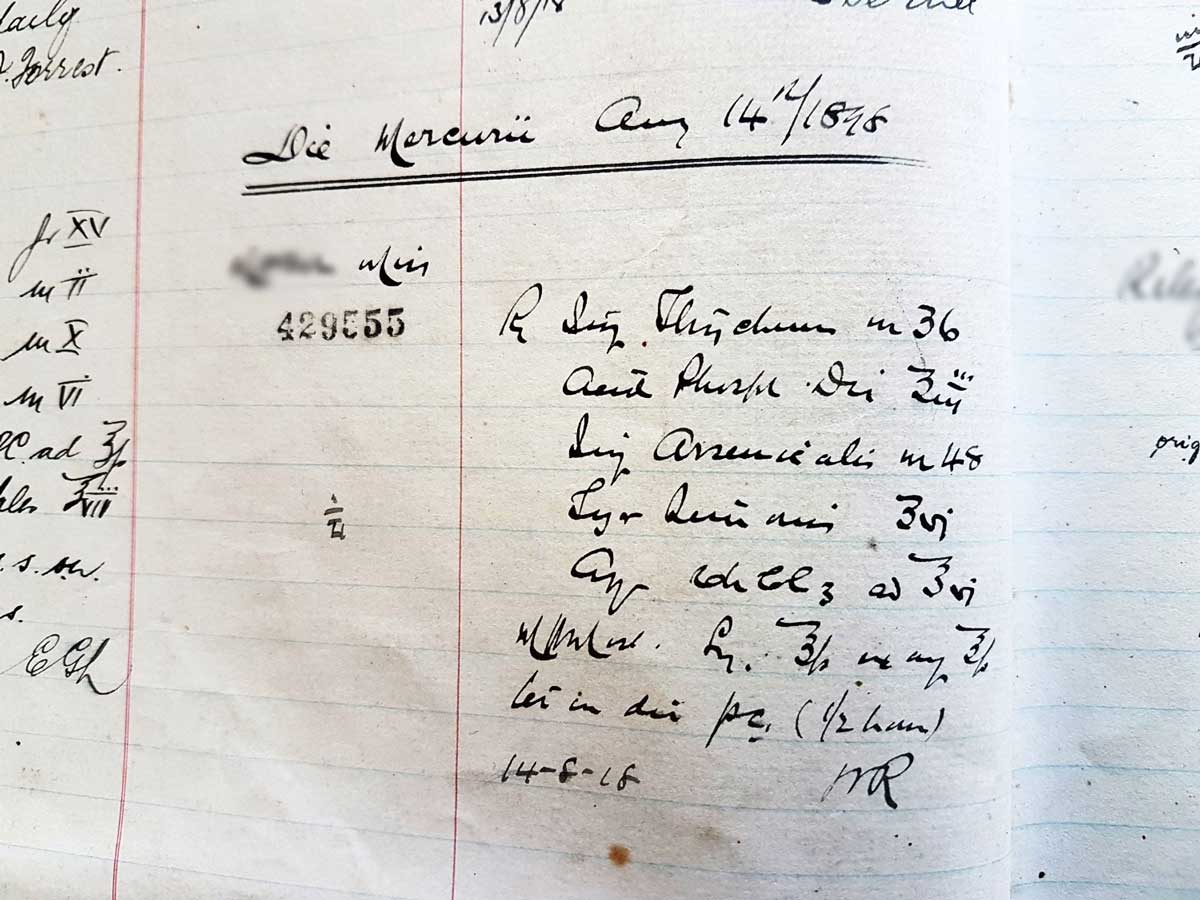
Wednesday 14th August 1918 Glasgow was the first British city to be affected, in May 1918, and within weeks the illness had spread south, reaching London by June. During the next few months, 228,000 people died in Britain.
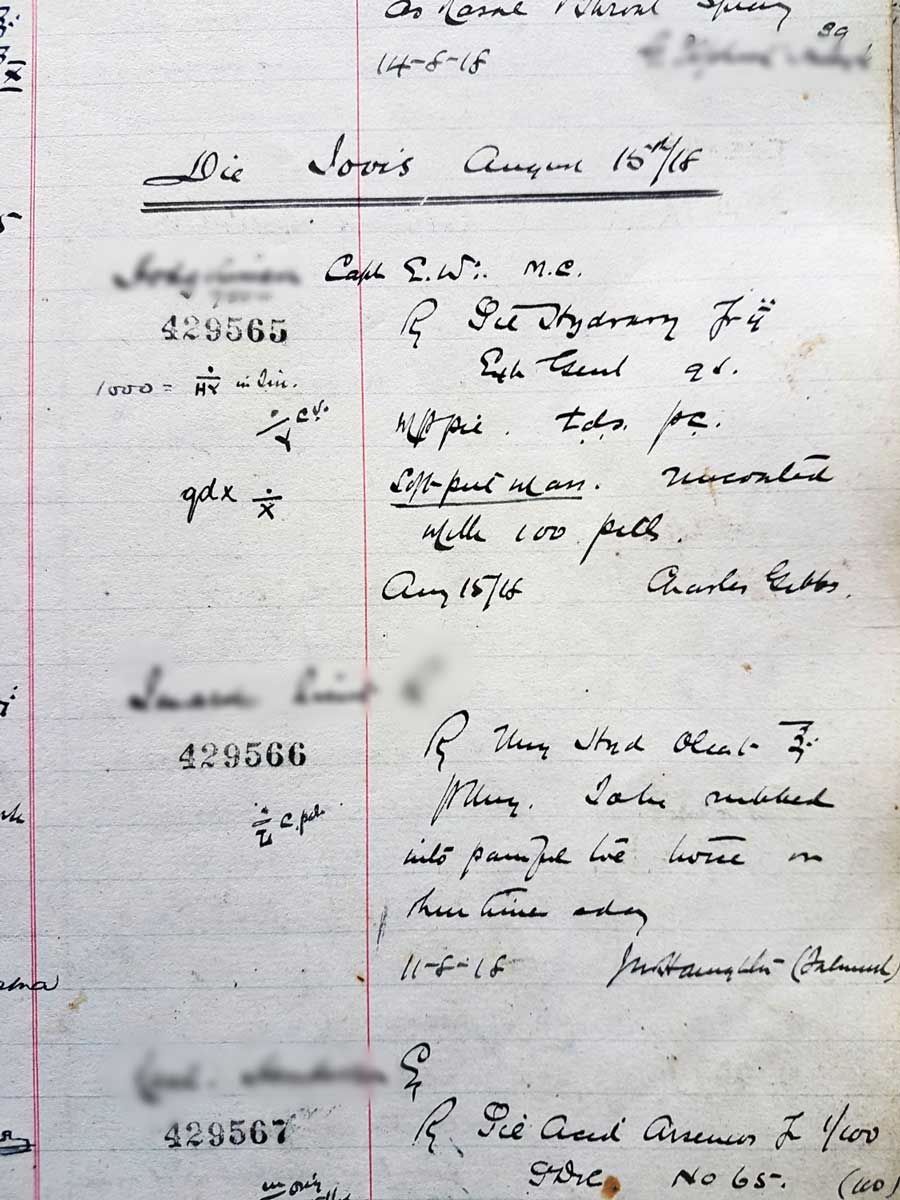
Thursday 15th August 1918 On 3rd November 1918, the News of the World suggested ways to combat the pandemic which are equally relevant today: "Wash inside nose with soap and water each night and morning; force yourself to sneeze night and morning, then breathe deeply. Do not wear a muffler; take sharp walks regularly and walk home from work; eat plenty of porridge".
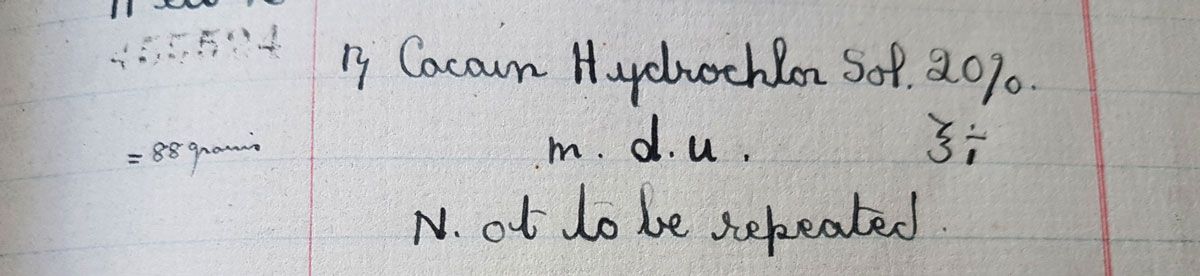
Cocain Hydrochlor. Sol 20% m.d.u. Cocaine containing throat lozenges and syrups were “indispensable for singers, teachers and orators”. In addition to quieting a sore throat, these lozenges undoubtedly provided the “pick-me-up” to keep professionals performing at their peak.
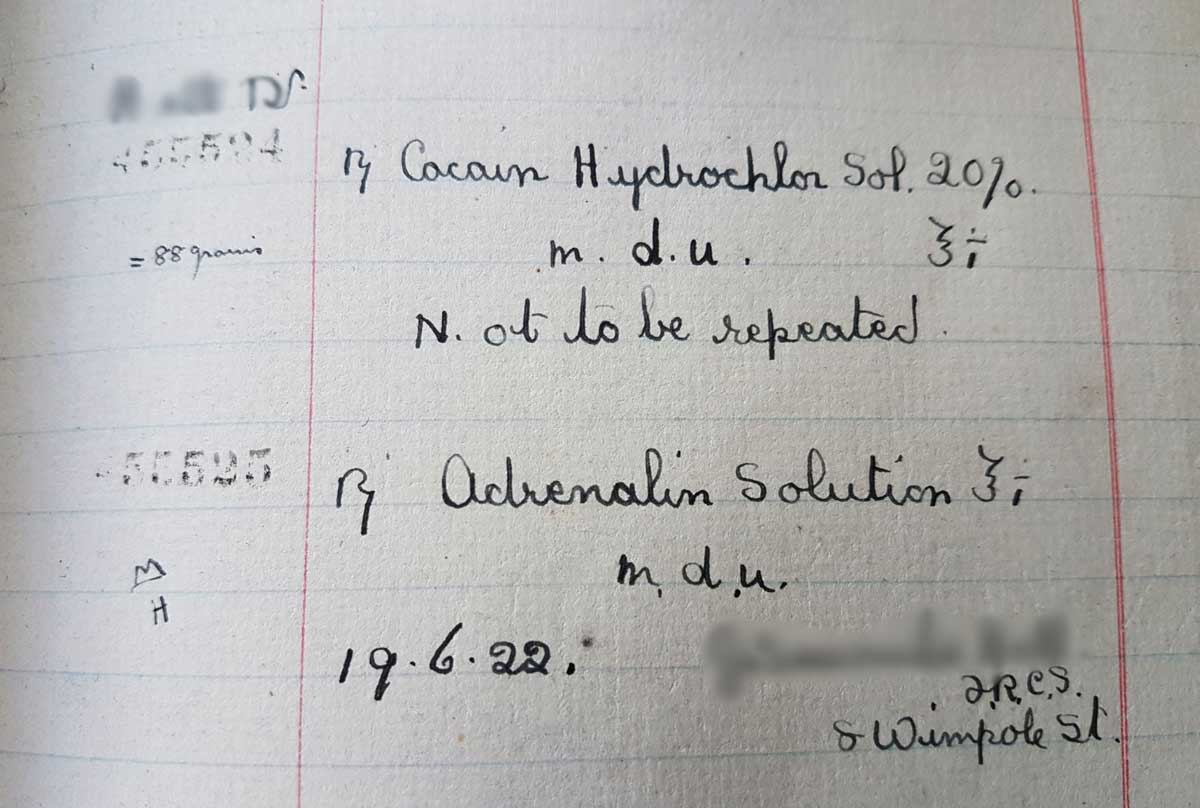
Cocaine Prescription In 1909, Ernest Shackleton took "Forced March" brand cocaine tablets to Antarctica, as did Captain Scott a year later on his ill-fated journey to the South Pole. During the mid-1940s, amidst World War II, cocaine was considered for inclusion as an ingredient of a future generation of 'pep pills' for the German military, code named D-IX.
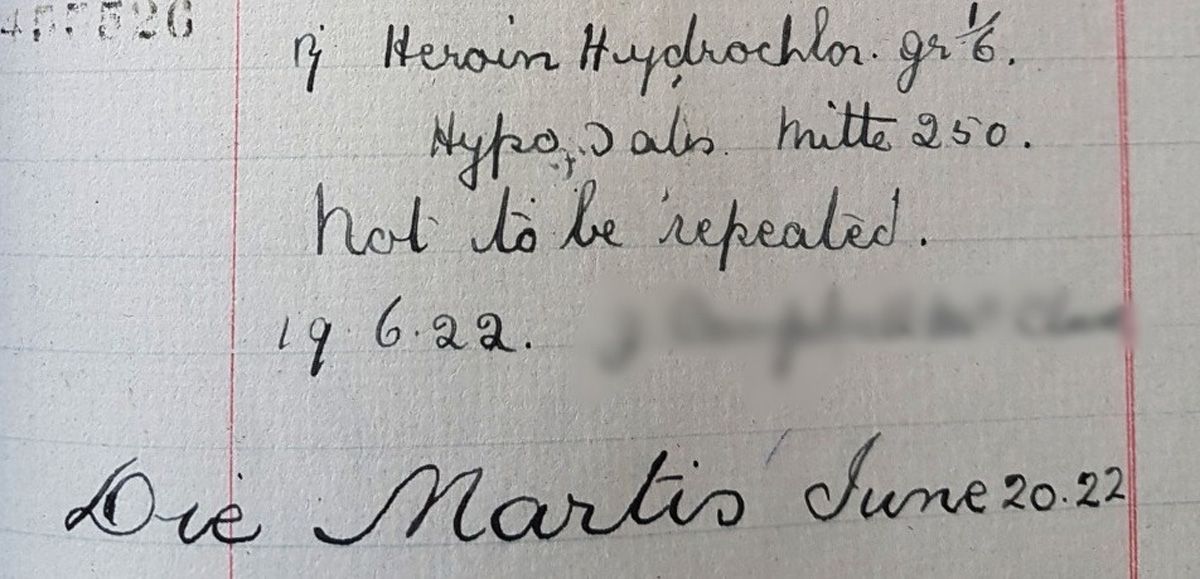
Heroin Hydrochlor. gr 1/6 In 1895, the German drug company Bayer marketed diacetylmorphine as an over-the-counter drug under the trademark name Heroin. It was developed chiefly as a morphine substitute for cough suppressants that did not have morphine's addictive side-effects. At the time, Morphine was a popular recreational drug, and Bayer wished to find a similar but non-addictive substitute to market.
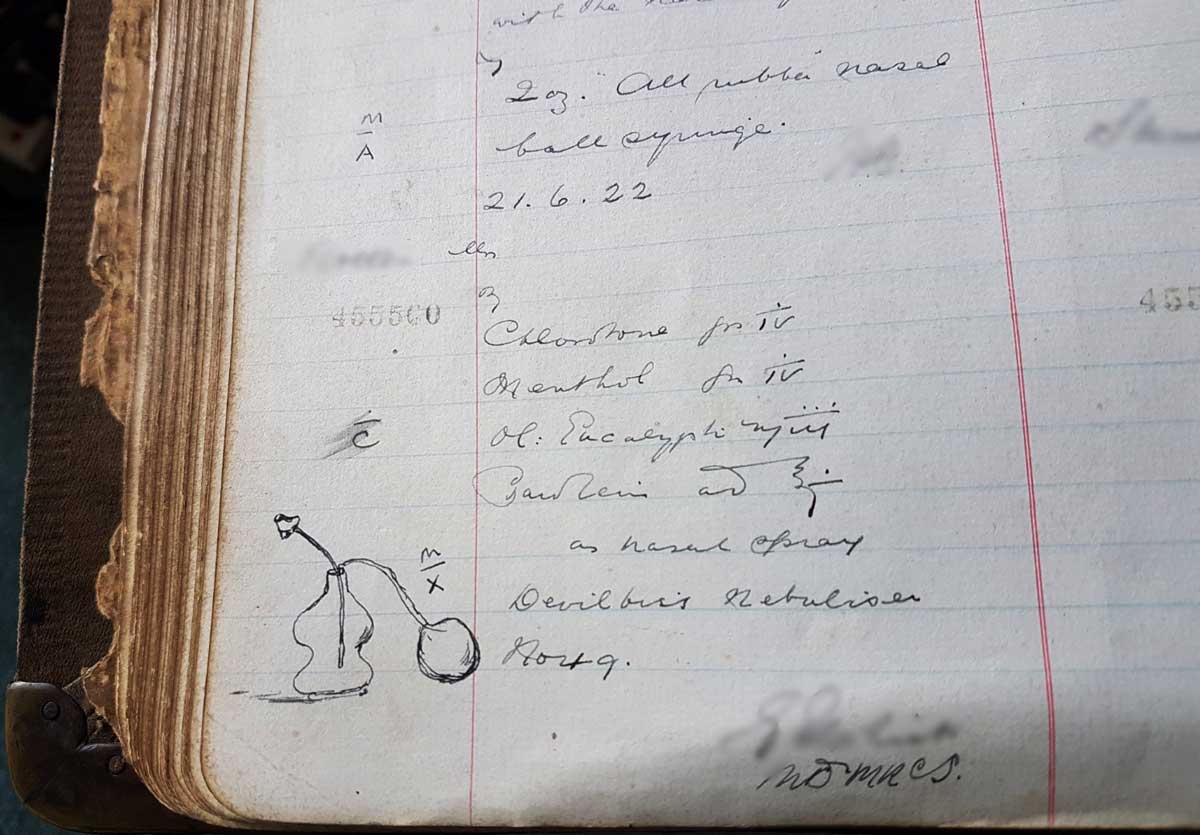
The DeVilbiss nebulizer sketch On 3rd November 1918, the News of the World suggested ways to combat the epidemic which are equally relevant today: "Wash inside nose with soap and water each night and morning; force yourself to sneeze night and morning, then breathe deeply. Do not wear a muffler; take sharp walks regularly and walk home from work; eat plenty of porridge".
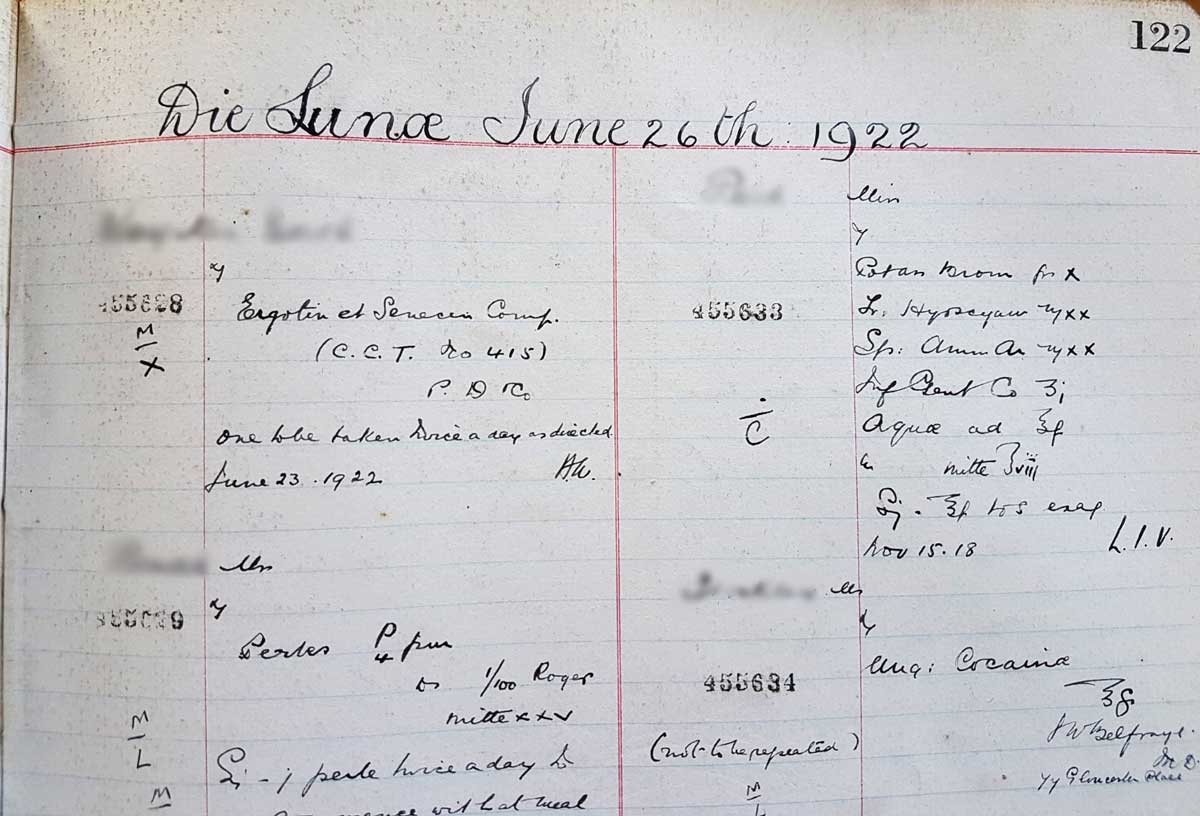
Prescriptions for cough and flu Syrups containing cocaine and heroin were common medicines prescribed by doctors every day.

On 26th of June 1922... Just four days before, our (former neighbour) Sir Henry Wilson was shot dead outside his home in Eaton Square in London. Just around the corner. On a positive note, King George V opened the Wimbledon Championships at their new site in Queen's Road.
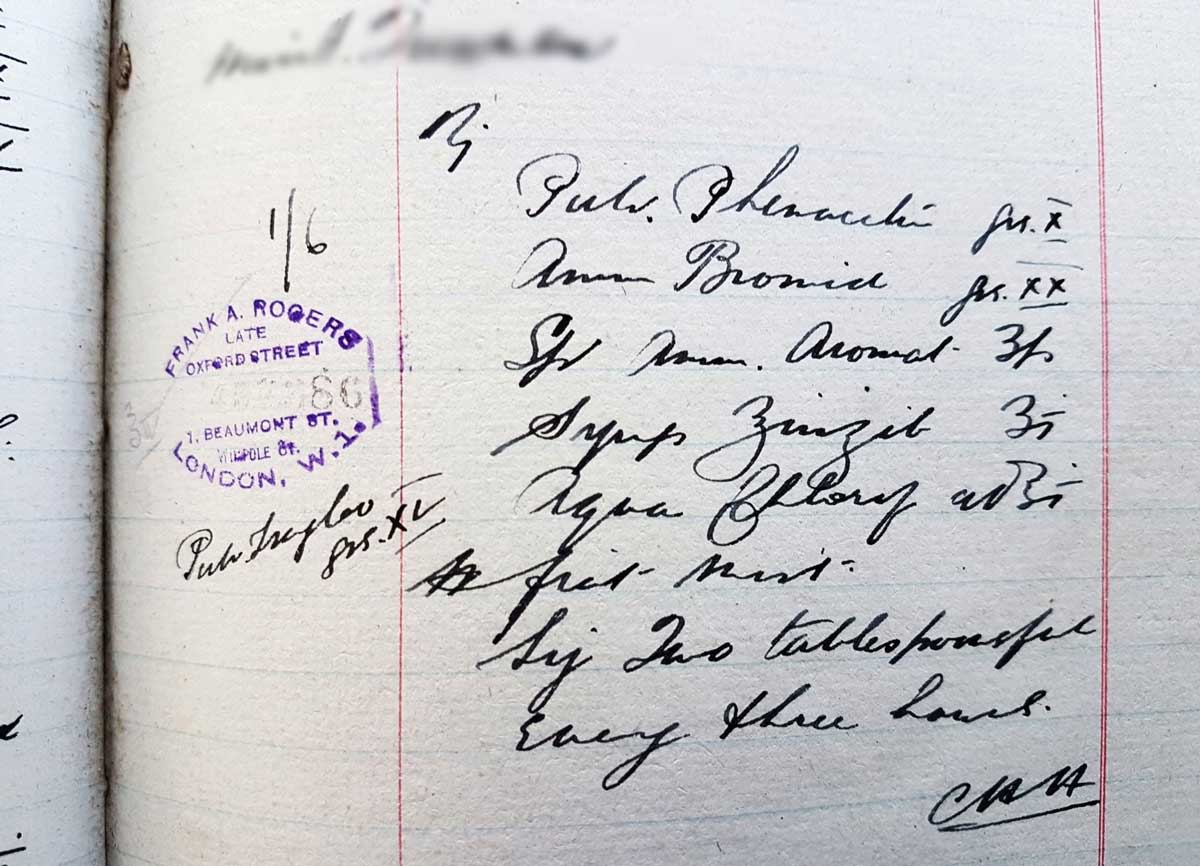
Frank A Rogers Chemists Some of his products, like the glass and rubber nasal and throat atomizer, are in the Welcome museum these days.
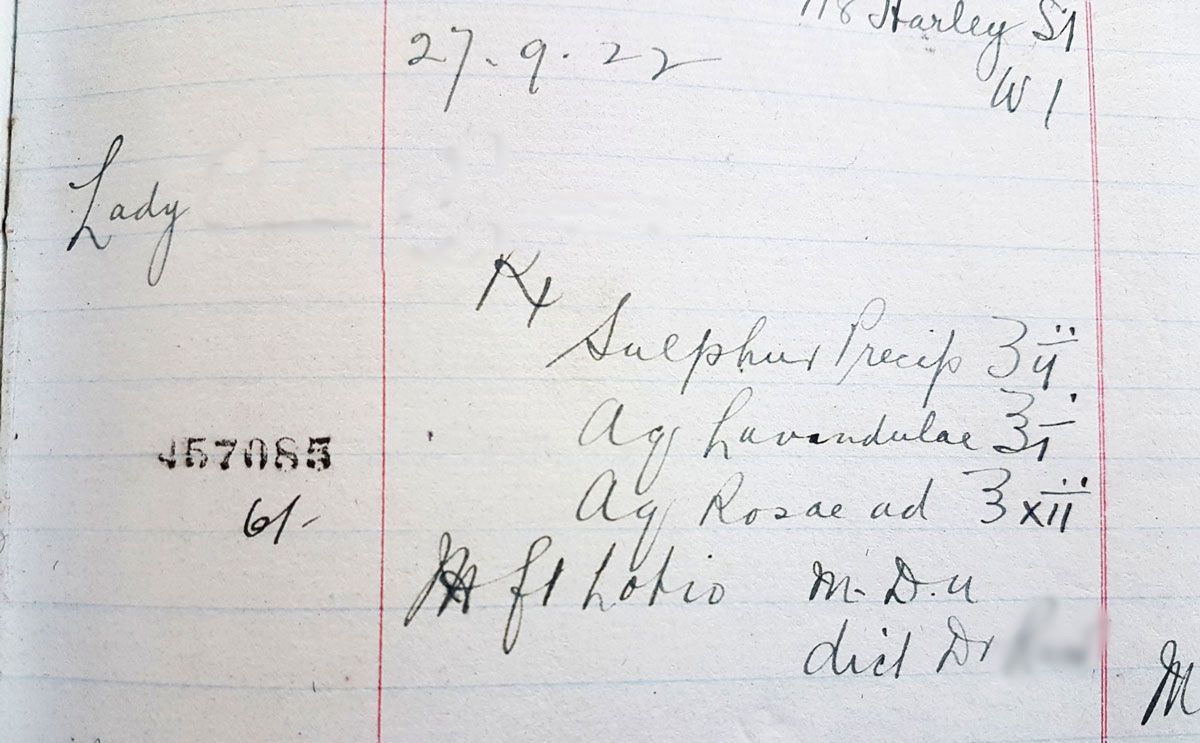
Rich and poor Rich and poor were at risk; the virus spared no one.
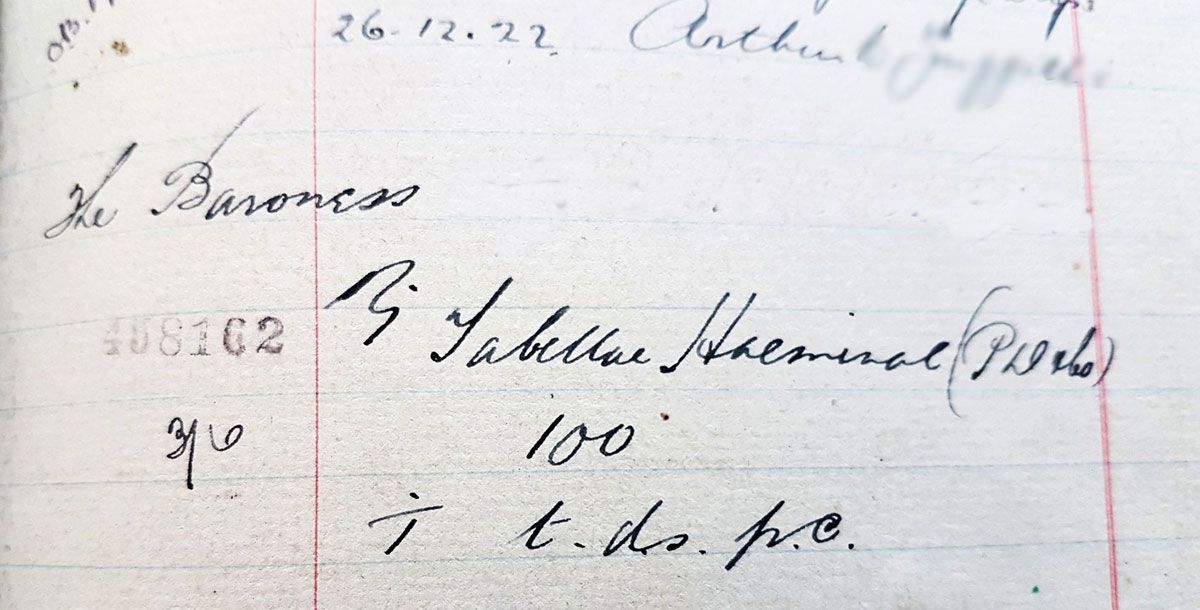
Baronesses and Commanders The pandemic circled the globe. Just like addiction pandemic has spread these days.
The Great War had left millions dead. But barely were the guns silenced when the killer virus struck. A threat emerged that was even more lethal than the fighting that had brutally cut down so many young men. The influenza pandemic of 1918-19 claimed the lives of between 20 and 40 million people around the world, at least three times the number killed in the war. More died in a single year than were killed in the four years of the Black Death from 1347-51.
Today we are proud to continue with the legacy of our predecessors fighting the epidemic of our time killing millions of people all over the world: Addiction.